Building Little Hands, One Playful Activity at a Time
Fine motor skills — the small movements we make with our hands and fingers — are the foundation for everything from holding a crayon to buttoning a coat. And for toddlers ages 2–4, the best way to build these skills is through play, not practice.
Here are 10 easy fine motor activities that your toddler will actually want to do — no flash cards required.
1. Coloring with Chunky Crayons
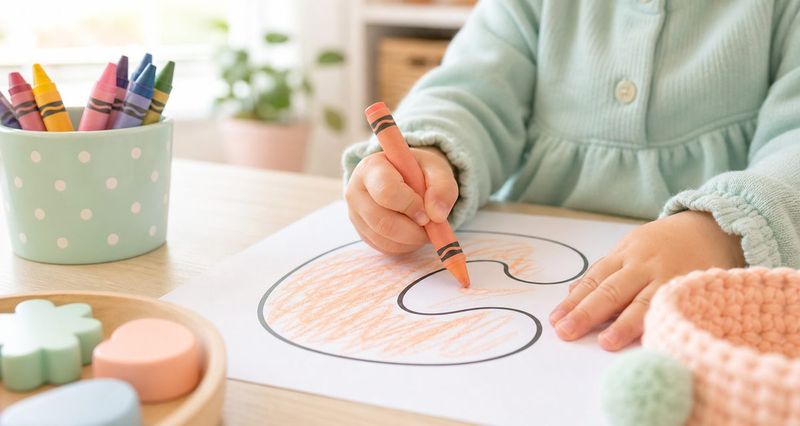
It doesn't get simpler than this. Hand your toddler a chunky crayon and a page from our Animal ABC Coloring Book, and they'll naturally work on pencil grip and hand strength. The large bubble letters and open spaces are perfect for developing control.
Skill builder: The tripod grasp — holding the crayon between thumb and first two fingers — is the same grip used for writing. Every scribble is practice.
2. Dot Marker Art
Dot markers (also called bingo daubers) are a dream for fine motor development. Instead of gripping a skinny crayon, toddlers press down with a wide, easy-to-hold marker. The controlled pressing motion builds hand strength, and the satisfying "thump" sound keeps them coming back for more.
Try our ABC Dot Art Coloring Book — it's designed specifically for dot markers and includes all 26 letters.
3. Play Dough Pincher Play
Roll play dough into small balls and have your toddler pick them up using only their thumb and index finger (the pincer grasp). For an extra challenge, hide small beads or pasta shapes inside the dough for them to find and extract.
4. Sticker Peeling and Placing
Buy a pack of inexpensive round stickers. Show your toddler how to peel them off the sheet (great for pincer grasp) and stick them onto a piece of paper. For extra fun, draw simple outlines like a circle or letter and have them fill it with stickers.
5. Cutting with Toddler Safety Scissors
Yes, you read that right! Give your 2–3 year old a pair of toddler-safe scissors (they only cut paper, not fingers) and let them snip away at scrap paper or our My First Cut-Out Shapes workbook. The open-and-close motion builds hand muscles and bilateral coordination (using both hands together).
Always supervise scissor use — but don't be afraid to try it. Most toddlers love it! For more cutting fun, browse our cut-and-paste printables.
6. Tweezer Transfer Games
Give your toddler a pair of plastic tweezers or tongs and a bowl of pompoms, cotton balls, or large beads. Have them transfer the items from one bowl to another. This is a fantastic pincer-grip workout that feels like a game.
7. Finger Painting
Finger painting builds fine motor skills through sensory exploration. Toddlers use their whole hand, individual fingers, and even their palms to create. The resistance of the paint builds hand strength, and the open-ended nature encourages creativity. Set up on a washable surface and let them go wild!
8. Threading Pasta Necklaces
String large tubular pasta (like penne or ziti) onto a piece of yarn or a shoelace with a knot at one end. Threading requires careful hand-eye coordination and the pincer grasp. For an extra fine motor boost, have your toddler paint the pasta pieces first.
9. Tracing Practice with Printable Worksheets
Tracing is a natural next step after free coloring. It helps toddlers refine their control and prepares them for writing letters and numbers. Our Toddler Alphabet Coloring Book includes tracing guides on every page, making it easy to practice in short, fun sessions. Prefer numbers? The Number Tracing Cute Objects book keeps the same big-and-simple style for early number practice.
Pro tip: Print the same tracing page multiple times. Toddlers thrive on repetition, and each attempt builds more control than the last.
10. Pompom Drop / Coin Drop
Cut a small slit in the lid of a plastic container (large enough for a pompom or large coin to pass through). Show your toddler how to pick up each pompom and drop it through the slot. This simple game is incredibly satisfying for toddlers — and the pinching-and-releasing motion is pure fine motor training.
How Printable Coloring Books Fit Into Fine Motor Development
Coloring books are one of the most effective — and most enjoyable — fine motor tools you can provide. Every time your toddler picks up a crayon and makes a mark, they're strengthening the muscles they'll need for writing, self-care, and school tasks.
The key is to choose coloring books designed for toddlers, with large spaces, bold outlines, and age-appropriate subjects. Browse our full collection of toddler coloring books to find the perfect match for your child's interests. If you're building a weekly homeschool routine, see our homeschool preschool printables for more ideas.
A Quick Tip: Follow Their Lead
Some days your toddler will color for 20 minutes. Other days, they'll lose interest after 30 seconds. Both are fine. Fine motor development happens naturally through play — your job is simply to offer the opportunities and let them explore at their own pace.
![Free Counting Ocean Animals Pages [Numbers 1, 2, 3 for Toddlers]](/uploads/thumbs/597090274eb9db138ab3d03a2296ea7b-420.webp)
