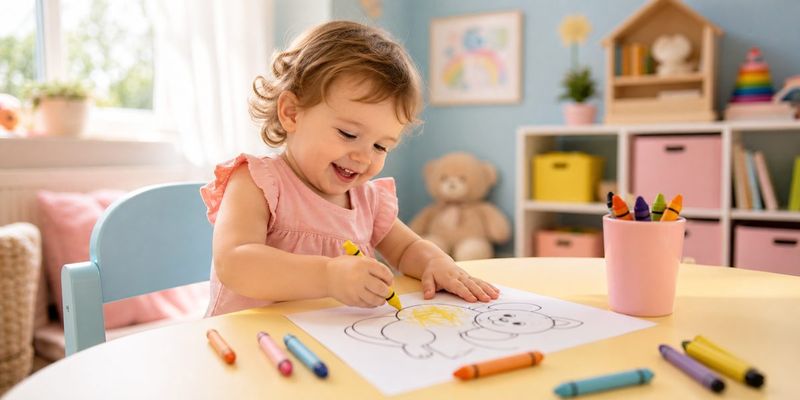
Is My Toddler Ready to Color?
If you've ever handed a crayon to a one-year-old and watched it go straight into their mouth, you're not alone. Many parents wonder: when should toddlers start coloring?
The short answer is that there's no single "right" age — every child develops at their own pace. But understanding the typical coloring milestones can help you introduce this beloved activity at the right time, with the right expectations, and (most importantly) the right supplies.
Let's walk through what coloring looks like at each stage, so you can feel confident that your little one is right on track.
Coloring Milestones by Age
12–15 Months: The "Grasp and Explore" Stage
At this age, coloring isn't really about making marks on paper — it's about exploring a new object. Toddlers will grab crayons with a full-fisted (palmar) grasp, wave them around, tap them on surfaces, and yes — try to taste them. A few might make some scribbles, but that's a bonus, not the goal.
What to expect: Random dots and lines if any marks at all. More interest in the crayon itself than the paper.
Try this: Chunky, toddler-safe crayons and very large paper. Skip structured coloring pages for now — this is pure sensory exploration.
15–18 Months: The Scribble Phase Begins
This is when the magic starts! Most toddlers begin making intentional marks. Their scribbles will be uncontrolled and go off the page — but they're trying. You'll notice them watching their own hand as they move the crayon, a sign that they're connecting action to result.
What to expect: Back-and-forth scribbles, some circular motions. Still using a palmar grasp. Short attention span (2–5 minutes).
Try this: Our Busy Bee Coloring Book has large, simple shapes perfect for early scribblers.
18–24 Months: Purposeful Scribbling
Scribbles become more controlled. Your toddler may start making dots, short lines, and circular marks. They might even "name" their scribbles ("dat a doggy!"). The crayon grip may shift toward a more mature tripod hold, but a palmar grasp is still very common — and totally fine.
What to expect: More varied marks, slightly better aim, and maybe a few seconds of coloring inside a shape.
Try this: Animal ABC Coloring Book with its big bubble letters and cute animals is a hit at this age — the large spaces are forgiving for unsteady hands.
2–2.5 Years: The Coloring Zone
Between their second birthday and age 2½, many toddlers become genuinely interested in coloring. They'll sit for 5–10 minutes, attempt to color within lines (with mixed results), and show preferences for certain colors. This is also when they start imitating you — if you color a circle, they'll try to color one too.
What to expect: Better aim, intentional color choices, longer attention spans, and emerging tripod grasp.
Try this: Our entire printable coloring book collection is designed for this age group with bold outlines and large coloring areas.
2.5–3 Years: "Look What I Made!"
By this age, many toddlers can color with some control. They may color inside the lines about half the time, start adding details (like eyes to a circle person), and feel genuine pride in their artwork. The tripod grasp is more consistent, and they can switch between colors deliberately.
What to expect: Recognizable shapes, emerging "people" drawings, longer sessions (10–15 minutes), and detailed color choices.
Try this: Dinosaur Alphabet Book or Counting Vehicles — the themed pages keep their interest and the structured activities feel exciting, not overwhelming.
When Should You Introduce Coloring?
The best time to introduce coloring is when your child shows interest. That might be at 14 months or 2 years — both are normal. Signs of readiness include:
- Watching you draw or color with curiosity
- Picking up writing tools and attempting to make marks
- Being able to sit still for at least 2–3 minutes
- Having the fine motor control to hold a chunky crayon
Tips for Coloring Success with Toddlers
Use the Right Tools
Chunky crayons, washable markers, and large paper make a huge difference. Our ABC Dot Art Coloring Book is a fantastic no-mess option — dot markers are easy to grip and don't require fine motor precision.
Keep Sessions Short
Two to ten minutes is plenty for a toddler. Follow their lead — if they wander away, the session is over. Don't force it.
Praise the Process, Not the Product
"I love how you used the blue crayon!" is more encouraging than "Good job coloring inside the lines!" At this age, the joy is in the doing, not the result.
Offer Choices
"Do you want to color the dinosaur or the fish?" Giving toddlers control over small decisions keeps them engaged. Browse our dinosaur coloring books and ocean animal coloring books to see which themes excite your child most.
What About Coloring Books?
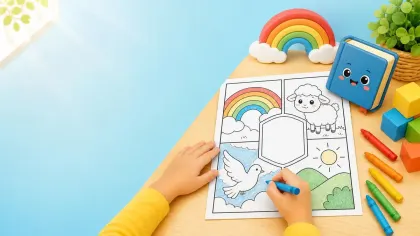
Printable coloring books are ideal for toddlers because you can print the same favorite page again (and again) — toddlers love repetition! They're also affordable and travel-friendly. Our printable coloring book collection includes over 20 themed options, from alphabet books to animal adventures, all designed specifically for ages 2–4. See our full printables for ages 2-4 to browse everything sized for this age group.
When to Talk to Your Pediatrician
While all children develop at their own pace, you might want to mention it at your next checkup if your 2-year-old shows no interest in holding crayons or making marks. Usually, it's nothing to worry about — but it's always worth asking.
Ready to Start Coloring?
The best time to start coloring with your toddler is today. Grab some chunky crayons, pick a fun printable page, and enjoy those precious (and messy) moments together.
![Free Counting Ocean Animals Pages [Numbers 1, 2, 3 for Toddlers]](/uploads/thumbs/597090274eb9db138ab3d03a2296ea7b-420.webp)
